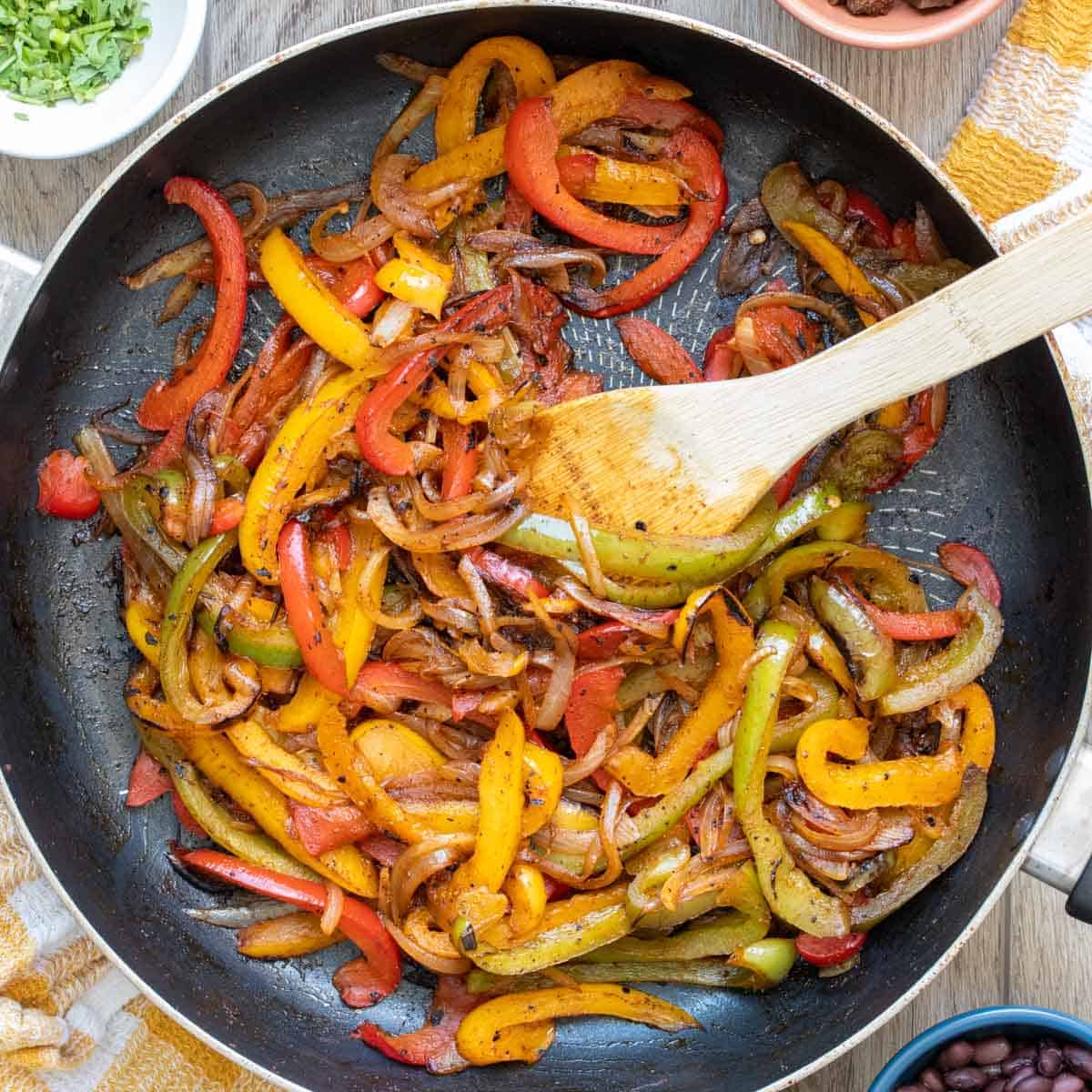
Unlock the Secret to Chipotle-Inspired Fajita Veggies with Perfect Texture Every Time
Craving that irresistible flavor and satisfying texture of Chipotle's signature fajita veggies? You're not alone! These vibrant, seasoned bell peppers and onions are a culinary chameleon, transforming any meal with their smoky, sweet, and savory notes. While many attempt to recreate this magic at home, achieving that ideal balance of tender-crispness with caramelized edges often proves elusive. Too often, homemade versions end up either undercooked, mushy, or burnt. But fear not! We're here to guide you through a foolproof method to master
fajita veggies that are not just Chipotle-inspired, but arguably even better, boasting a texture that's truly perfection.
This isn't just another recipe; it's a deep dive into the techniques that deliver those coveted golden-brown edges, a slight char, and a tender bite without any mushiness. Get ready to elevate your weeknight dinners and impress your family with a healthy, flavor-packed side dish that everyone will love.
The Quest for Perfect Fajita Veggie Texture: Why It Matters
The allure of great
fajita veggies lies in their dynamic texture as much as their flavor. Imagine biting into a bell pepper that’s still got a slight snap, yielding to a tender, juicy interior, all while carrying a hint of smoky caramelization on its exterior. This is the hallmark of perfection. Mushy vegetables lack appeal, losing their structural integrity and much of their vibrant flavor. Conversely, undercooked veggies can be tough and difficult to chew.
Achieving this "tender-crisp" sweet spot with those beautiful caramelized edges is where many home cooks falter. The common mistakes? Overcrowding the pan, stirring too frequently, or using too low a heat, all of which prevent proper browning and lead to steamed, rather than sautéed, results. Our method focuses on controlling moisture and heat to encourage caramelization while ensuring the vegetables cook through evenly.
Building Blocks of Flavor and Texture: Ingredients & Prep
While the cooking method is key, the right ingredients and preparation set the stage for success.
Choosing Your Produce
*
Bell Peppers: Opt for a mix of red, orange, and yellow bell peppers. While Chipotle often uses green peppers, the sweeter varieties offer a superior flavor profile and deeper caramelization due to their higher sugar content. Cut them into uniform strips, about ¼ to ½ inch thick and 2-3 inches long. Uniformity is crucial for even cooking.
*
Onion: Red onion is ideal for its color and slightly milder, sweeter flavor when cooked, though yellow onions work well too. Slice them into similar-sized strips as your peppers.
The All-Important Spice Blend
A well-balanced spice blend is what truly makes these
fajita veggies sing with authentic Mexican-inspired flavor. Don't skimp here! A classic blend typically includes:
*
Cumin: Earthy, warm, and foundational to Mexican cuisine.
*
Chili Powder: Adds a mild warmth and depth of flavor.
*
Smoked Paprika: Crucial for that smoky, slightly sweet aroma reminiscent of an outdoor grill.
*
Garlic Powder & Onion Powder: Provide concentrated savory notes.
*
Dried Oregano: Mexican oregano is preferred for its citrusy, earthy notes, but regular dried oregano works too.
*
A Pinch of Salt & Black Pepper: Essential for amplifying all other flavors.
Combine these spices in a small bowl. You can adjust the heat level by adding a touch of cayenne pepper if you prefer a spicier kick, or keep it mild for younger palates.
The Right Fat
You'll need a high-smoke-point oil for sautéing. Avocado oil, grapeseed oil, or canola oil are excellent choices. Minimal oil is key to allow for charring, not deep-frying.
Mastering the Sauté: Step-by-Step for Optimal Results
This is where the magic happens and where you'll achieve that perfect texture.
1.
Heat Your Pan: A medium-sized skillet, about 10-12 inches in diameter, is ideal. Cast iron is a traditional choice that retains heat beautifully and offers a rustic presentation, but a good quality stainless steel pan works just as well. The key is to get your pan *screaming hot* over medium-high heat *before* adding any oil or vegetables. This initial heat ensures an immediate sizzle and aids in caramelization.
2.
Add Oil and Veggies: Once the pan is hot, add a tablespoon or two of your chosen high-smoke-point oil. Swirl to coat, then immediately add your prepared bell peppers and onions. Spread them in a single layer as much as possible. Avoid overcrowding the pan; if necessary, cook in batches. Overcrowding lowers the pan temperature and steams the vegetables instead of searing them.
3.
The Sauté-Steam Technique: This is our secret weapon for perfect texture.
* Let the vegetables sizzle undisturbed for 2-3 minutes. This allows the edges to caramelize and get those desirable golden-brown spots. You'll hear the sizzle and see some browning.
* After the initial sear, give them a quick stir.
* Now, here's the crucial step:
add a lid to the pan. This traps steam, allowing the vegetables to cook through to a tender state without drying out or burning the minimal oil. Cook with the lid on for another 3-4 minutes, stirring only once.
* Remove the lid. At this point, the veggies should be mostly tender. Continue to cook, stirring infrequently (every 1-2 minutes), allowing them to come back into direct contact with the hot pan to develop more char and further caramelization. This open-pan cooking evaporates any remaining moisture, intensifying flavor and texture.
4.
Seasoning: Once the veggies are nearly done, tender with beautifully charred edges, sprinkle your pre-mixed spice blend evenly over them. Toss well to coat. Cook for another minute, allowing the spices to toast and release their aromas.
5.
The Grand Finale: Remove the pan from the heat. Squeeze fresh lime juice generously over the hot
fajita veggies and add another pinch of salt to taste. The lime juice provides a bright, acidic counterpoint to the smoky sweetness, elevating all the flavors.
This entire process, from hot pan to plate, should take you no more than 15-20 minutes, delivering vibrant, flavorful, and perfectly textured fajita veggies.
Beyond the Burrito Bowl: Versatile Serving Suggestions
These Chipotle-inspired
fajita veggies are incredibly versatile and can transform a simple meal into something extraordinary.
*
Classic Fajitas & Burrito Bowls: The most obvious choice! Serve them alongside grilled chicken, steak, shrimp, or black beans for a complete meal. Add rice, beans, salsa, guacamole, and a dollop of sour cream or a dairy-free alternative.
*
Tacos & Quesadillas: Stuff corn or flour tortillas with these flavorful vegetables, cheese, and your favorite toppings for a quick and satisfying meal.
*
Salad Bowls: For a lighter option, layer chopped romaine lettuce or mixed greens with warm
fajita veggies, black beans, corn salsa, avocado, crumbled tortilla chips, and a zesty cilantro-lime dressing.
*
Breakfast Upgrade: Don't overlook them for breakfast! Reheat leftover veggies and toss them with scrambled eggs, cheese, and a dollop of sour cream for a hearty morning meal. They’re also excellent in breakfast burritos or alongside fried eggs.
*
Healthy Side Dish: These veggies aren't just for Mexican night. They make a fantastic, healthy side for grilled chicken, fish, or even a simple weeknight stir-fry.
Looking for even more ways to incorporate these healthy and delicious veggies into your week? Check out our guide to
Minute Fajita Veggies: Easy, Healthy & Versatile Side. Or, if you're dealing with diverse palates at home, explore
Customizable Fajita Veggies: Healthy Family Meal Solution for tips on adjusting spice levels and add-ins.
Customization and Dietary Considerations
One of the beautiful aspects of this recipe is its adaptability. It's naturally vegan and gluten-free, making it a fantastic option for various dietary needs. For those who prefer more heat, don't hesitate to add a pinch of cayenne or even some thinly sliced jalapeño to your spice mix. If you're cooking for a family with varying spice preferences, you can always cook a milder batch first and then add the extra heat to a portion for the adults. The robust flavors and healthy profile make it a family favorite that everyone can enjoy, adjusted to their liking. Plus, they reheat beautifully, making them an excellent choice for meal prep!
Conclusion
Achieving Chipotle-level perfection in your homemade
fajita veggies is absolutely within reach. By understanding the importance of high heat, uniform cuts, and the strategic sauté-steam technique, you can consistently produce tender-crisp vegetables with irresistible caramelized edges. This method not only guarantees exceptional texture but also locks in all those vibrant, Mexican-inspired flavors, creating a versatile and healthy dish that will become a go-to in your kitchen. So, fire up your skillet, grab those colorful peppers, and get ready to enjoy the best fajita veggies you've ever made!